 20% OFF Start Challenge Code:





Determining the right mattress firmness is a crucial decision that hinges on balancing your primary sleeping position, body weight, and unique comfort needs to achieve optimal spinal alignment and pressure-point relief. Making a smart, informed choice—whether for a significant investment or your nightly rest—is about understanding the core principles that lead to the best outcome. Just as a solid contract provides a framework for success, the right mattress provides the essential foundation for truly restorative sleep.
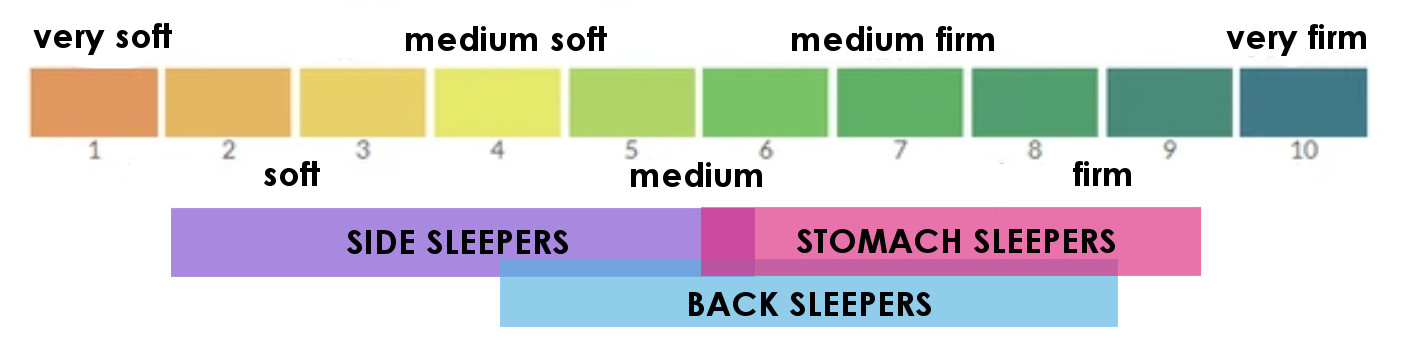
Table of Contents
- What Exactly is Mattress Firmness?
- Decoding the Universal Mattress Firmness Scale
- How Your Sleeping Position Dictates Your Needs
- Why Your Body Weight is a Critical Factor
- Finding Your Perfect Match: A Practical Chart
- The Link Between Firmness and Aches and Pains
- What If You and Your Partner Have Different Needs?
- Does the Type of Mattress Affect Firmness Feel?
- Signs Your Current Mattress Firmness Isn’t Working
- The Critical Role of the Sleep Trial Period
What Exactly is Mattress Firmness?
Mattress firmness refers to the initial feel of a mattress when you first lie on it. It describes how hard or soft the surface is and is often a subjective measure of comfort. However, it is fundamentally different from support. Support refers to the mattress’s ability to keep your spine in a neutral alignment, preventing it from sagging or bowing unnaturally. A mattress can be very soft on the surface yet still be highly supportive.

Think of it this way: firmness is about comfort, while support is about alignment. A quality mattress provides the right level of support from its core layers, while the firmness is determined by the upper comfort layers. The goal is to find a firmness level that cushions your body’s curves without sacrificing the underlying support necessary for proper posture during sleep.
Decoding the Universal Mattress Firmness Scale
To standardize firmness, the mattress industry uses a 1-10 scale. While not perfectly uniform across all brands, it provides a reliable framework for consumers. A “1” is the softest imaginable, like sinking into a cloud, while a “10” is the firmest, akin to sleeping on the floor. Most mattresses sold fall between a 3 and an 8.
Soft (1-3)
Soft mattresses offer significant “hug” and contouring, allowing you to sink deeply into the surface. These are excellent for providing pressure relief on joints like the hips and shoulders. However, they may lack the necessary support for heavier individuals or stomach sleepers, potentially causing the spine to fall out of alignment.
Medium (4-6)
This is the most popular range for a reason. Medium-soft (4), medium (5), and medium-firm (6) mattresses offer a balanced combination of contouring comfort and robust support. This “Goldilocks” zone appeals to a wide variety of sleepers, especially back sleepers and couples with different preferences.
Firm (7-10)
Firm (7-8) and extra-firm (9-10) mattresses provide a very stable, “on top of the mattress” feeling with minimal sinkage. They are often recommended for stomach sleepers and heavier individuals who require maximum support to keep their hips from sinking and their spine aligned. While some people associate “firm” with “supportive,” a mattress that is too firm can create new pressure points.
How Your Sleeping Position Dictates Your Needs
Your primary sleeping position is arguably the most important factor in choosing mattress firmness. It determines where your body places the most pressure on the mattress and where you need cushioning versus support.
Side Sleepers
When you sleep on your side, your hips and shoulders bear the brunt of your body weight. A mattress that is too firm will not allow these areas to sink in, leading to pressure points and a misaligned spine. Conversely, a mattress that is too soft will let them sink too far. Therefore, side sleepers generally need a soft to medium-firm mattress (3-6 on the scale). This provides enough give to cushion the joints while supporting the waist and keeping the spine straight.
Back Sleepers
Sleeping on your back naturally distributes your weight more evenly. The primary challenge for back sleepers is maintaining the natural “S” curve of the spine. A mattress that is too soft will allow the hips to sink lower than the shoulders, creating a hammock effect and straining the lower back. A mattress that is too firm won’t allow the hips to sink at all, creating a gap in the lumbar region. For this reason, back sleepers thrive on a medium-firm to firm mattress (5-7 on the scale) that offers balanced support.
Stomach Sleepers
Stomach sleeping is the riskiest position for spinal alignment because it can cause the spine to arch unnaturally and forces the neck to twist to the side. The greatest danger is the midsection sinking into the mattress, putting significant strain on the lower back. To counteract this, stomach sleepers require a firm or extra-firm mattress (6-8 on the scale). This ensures the hips stay elevated and aligned with the shoulders.
Combination Sleepers
If you change positions throughout the night, you need a mattress that can accommodate all your sleeping styles. A mattress that is too soft might make it difficult to move, while one that is too firm might create pressure points when you are on your side. A medium-firm mattress (around a 5-6) is often the ideal choice. It is responsive enough to allow for easy movement and provides a good compromise of pressure relief and support for multiple positions.
Why Your Body Weight is a Critical Factor
How a mattress feels is directly related to how much pressure you exert on it. Your body weight determines how much you will sink into the mattress layers, which changes the perception of firmness and the level of support you receive.
Lighter Individuals (Under 130 lbs)
Lighter individuals do not sink as deeply into a mattress. A firm mattress may feel rock-hard to them and fail to provide any contouring or pressure relief. For this reason, lighter sleepers often prefer a softer mattress (3-5 on the scale) to experience adequate body-hugging comfort and pressure relief, especially if they are side sleepers.
Average Weight Individuals (130-230 lbs)
This group can generally follow the firmness recommendations based on their sleeping position. A medium-firm mattress (5-7) is typically a safe and effective choice, providing a perfect balance of comfort and support without excessive sinkage.
Heavier Individuals (Over 230 lbs)
Heavier individuals exert more pressure on a mattress and will sink deeper into its layers. A soft mattress will likely not provide enough support, leading to spinal misalignment and a feeling of being “stuck.” Heavier sleepers usually need a firmer, more durable mattress (6-8 on the scale) with a robust support core to prevent sagging and ensure proper alignment, regardless of their sleeping position.
Finding Your Perfect Match: A Practical Chart
To simplify the process, use this table as a starting point. Cross-reference your sleeping position with your body weight to find a recommended firmness range. Remember, this is a guideline, and personal preference still plays a role.
| Lightweight (<130 lbs) | Average Weight (130-230 lbs) | Heavier Weight (>230 lbs) | |
|---|---|---|---|
| Side Sleeper | Soft to Medium (3-5) | Medium (5-6) | Medium-Firm (6.5) |
| Back Sleeper | Medium (5) | Medium-Firm (6-7) | Firm (7-8) |
| Stomach Sleeper | Medium-Firm (6) | Firm (7) | Firm to Extra-Firm (8) |
| Combination Sleeper | Medium (5) | Medium-Firm (6) | Medium-Firm (6.5) |
The Link Between Firmness and Aches and Pains
Waking up with back, neck, or hip pain is a strong indicator that your mattress is not providing the right level of firmness and support. For individuals with chronic back pain, a medium-firm mattress has often been shown to be the most effective. This is because it provides enough support to keep the spine aligned but has enough give to cushion the body and relieve pressure.
A mattress that is too soft can cause the spine to curve unnaturally, straining muscles and ligaments as they try to compensate for the lack of support. On the other hand, a mattress that is too firm can create pressure on the hips, shoulders, and back, preventing muscles from fully relaxing during the night.
What If You and Your Partner Have Different Needs?
It’s common for partners to have different body types and sleeping positions, leading to a disagreement on ideal firmness. Fortunately, there are several solutions. One option is a split mattress (like a Split King), which allows each person to have their preferred firmness on their side of the bed. Another popular choice is to compromise on a medium or medium-firm mattress, which tends to accommodate the widest range of people. Finally, a mattress topper can be used on one side of the bed to soften a firm mattress or add a layer of support to a soft one.
Does the Type of Mattress Affect Firmness Feel?
Yes, the materials used in a mattress can influence how its firmness is perceived. A medium-firm memory foam mattress will feel different from a medium-firm innerspring mattress.
- Memory Foam: Known for deep contouring and a “hugging” sensation. A firm memory foam mattress will still offer more sinkage than a firm innerspring model.
- Latex: Offers a more buoyant and responsive feel than memory foam. It cradles the body but provides a feeling of sleeping “on” rather than “in” the mattress.
- Innerspring: These traditional mattresses have a bouncy feel and offer less contouring. Their firmness is more direct and surface-level.
- Hybrid: Combining an innerspring support core with foam or latex comfort layers, hybrids offer a blend of bounce, contouring, and support. The firmness can vary greatly depending on the thickness and density of the top layers.
Signs Your Current Mattress Firmness Isn’t Working
How do you know if it’s time for a change? Pay attention to your body and your mattress. Key indicators of incorrect firmness include:
- Waking up with stiffness, numbness, or aches and pains, especially in the lower back or neck.
- Tossing and turning all night, unable to find a comfortable position.
- Feeling your partner’s every move on the other side of the bed (a sign of poor motion isolation, often tied to support issues).
- Your mattress has a visible sag or body impression where you sleep.
- You consistently sleep better in other beds, like at a hotel or a friend’s house.
The Critical Role of the Sleep Trial Period
Lying on a mattress for five minutes in a showroom is not enough to determine if it’s right for you. Your body needs several weeks to adjust to a new sleep surface. This is why the sleep trial period offered by most online mattress companies is so valuable. It allows you to test the mattress in your own home for 30 to 100 nights or more. This risk-free period is the ultimate test, ensuring that you have made the right long-term investment in your sleep health. Take full advantage of it to confirm that the firmness and support truly match your body’s needs.
