 20% OFF Start Challenge Code:





Starting a proprietary trading firm requires a detailed blueprint covering the business model, legal framework, capital, technology, and a strategy for recruiting talented traders. The modern approach, centered on a trader evaluation model, involves creating challenges where traders pay a fee to prove their profitability under specific risk parameters. Successful traders are then given access to the firm’s capital, and profits are shared, creating a scalable and risk-managed business.
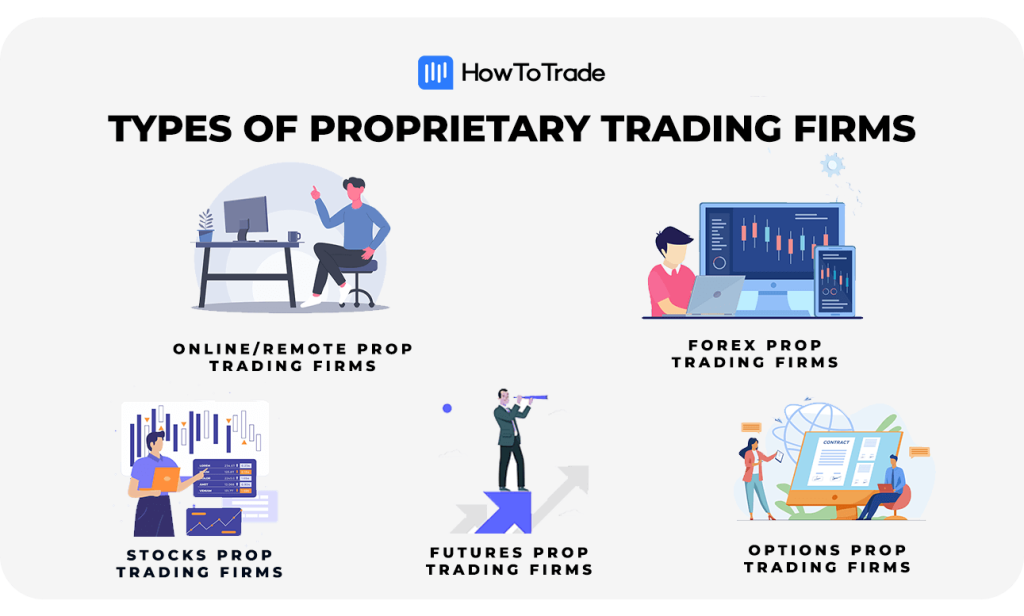
Table of Contents
- What Exactly is a Proprietary Trading Firm?
- Crafting Your Prop Firm Business Plan
- Navigating the Legal and Regulatory Landscape
- Securing Capital and Managing Finances
- Building Your Technology Stack
- How to Recruit and Assess Trading Talent
- Establishing Robust Risk Management Protocols
- Structuring Your Profit Sharing Model
- Marketing Your Firm and Building a Community
- Scaling Your Operations for Long-Term Growth
What Exactly is a Proprietary Trading Firm?
A proprietary trading firm, or prop firm, is a financial company that trades stocks, derivatives, currencies, commodities, or other instruments with its own money, as opposed to using depositors’ or clients’ money. The primary goal is to earn profits directly from the market. How they achieve this has evolved significantly, leading to two distinct models that aspiring firm owners must understand.

The Traditional Model: Institutional Capital
Historically, prop trading firms were exclusive institutions that hired traders with elite backgrounds, such as Ivy League degrees or extensive experience at major investment banks. These firms, like Jane Street or Hudson River Trading, deploy massive amounts of their own capital, often hundreds of millions or billions of dollars. They rely heavily on sophisticated quantitative strategies, high-frequency trading (HFT), and state-of-the-art technology.

Entering this space as a new firm is exceptionally difficult. The barriers to entry are immense, requiring substantial private capital, deep connections within the financial industry, and the ability to compete for a very small pool of top-tier quantitative analysts and traders. The regulatory burden is also significant, involving registration with bodies like the SEC and FINRA in the United States.
The Modern Model: The Trader Evaluation Approach
The modern, more accessible path to open a prop trading firm follows an evaluation-based model. This innovative structure democratizes access to trading capital. Instead of hiring traders based on resumes, these firms offer challenges or evaluations to a global pool of retail traders. Traders pay a one-time fee to participate in an evaluation on a simulated account.
If a trader meets the profit targets within a set of risk management rules (e.g., maximum daily loss, maximum total drawdown), they become a “funded trader.” They are then given a funded account to trade with the firm’s real or simulated capital. The firm and the trader share the profits generated, with the trader often keeping a large majority (e.g., 80-90%). This model, perfected by firms like Cointracts, significantly lowers the firm’s risk. The evaluation fees generate a consistent revenue stream, and capital is only allocated to traders who have proven their ability to be consistently profitable while managing risk. This is the model this document will focus on, as it is the most viable for new entrepreneurs.
Crafting Your Prop Firm Business Plan
A comprehensive business plan is the foundation of your venture. It forces you to think through every component of the business, from your target market to your financial projections. It will be your roadmap for execution and a crucial document if you seek external investment.
Defining Your Niche: Which Markets Will You Cover?
You cannot be everything to everyone, especially at the start. Deciding on your market niche is a critical first step. Will you focus on a single asset class or offer a variety? Common options include:
- Forex: A massive, liquid market that is popular with retail traders worldwide.
- Futures: Offers access to indices (E-mini S&P 500), commodities (Oil, Gold), and more. This is a primary focus for many leading firms, including Cointracts, due to its centralized exchanges and clear volume data.
- Cryptocurrencies: A volatile but increasingly popular market, appealing to a younger demographic of traders.
- Stocks: Trading equities requires significant market data fees and can be more complex from a regulatory standpoint.
Your choice will influence your technology needs, data feed costs, and the type of traders you attract. Starting with one or two, like futures and forex, is often a manageable approach.
Outlining Your Revenue Streams
The modern prop firm model has two primary revenue streams. Your business plan must forecast both:
- Evaluation Fees: This is the upfront revenue generated when traders purchase a challenge. The fee amount will vary based on the size of the evaluation account (e.g., $25k, $50k, $100k). This income stream is crucial as it covers operational costs and provides a buffer, irrespective of trader performance.
- Profit Splits: This is your share of the profits from successful funded traders. While the percentage is smaller (typically 10-20%), this is where the firm’s significant earnings potential lies. A portfolio of consistently profitable traders can generate substantial, scalable income.
Some firms also offer add-ons, like resettable evaluation fees or access to advanced analytics, creating minor additional revenue channels.
Navigating the Legal and Regulatory Landscape
While the modern prop firm model generally has a lighter regulatory load than traditional firms, ignoring legal and compliance is a fatal mistake. Professional legal counsel specializing in financial technology or securities law is non-negotiable.
Choosing the Right Business Structure
How you structure your company has implications for liability, taxation, and your ability to raise capital. The most common structures are:
- Limited Liability Company (LLC): A popular choice for new firms. It offers personal liability protection, separating your personal assets from the business’s debts. It also provides flexibility in how you are taxed.
- Corporation (C-Corp or S-Corp): A more formal structure that can be better for seeking venture capital investment. It involves more administrative complexity and stricter record-keeping requirements.
The choice depends on your jurisdiction, your personal liability tolerance, and your long-term goals. An LLC is often the most practical starting point.
Understanding Key Regulatory Obligations
The key distinction for many modern prop firms is that they are not classified as broker-dealers and are not managing outside investor capital. Traders are typically considered independent contractors trading the firm’s capital. This often places them outside the direct oversight of bodies like the SEC or CFTC in the U.S. in the same way a hedge fund would be regulated.
However, this is a nuanced area. Your terms of service, trader agreements, and marketing language must be carefully vetted by lawyers to ensure you do not inadvertently cross into a regulated activity. You are still subject to general business laws, data privacy regulations (like GDPR), and anti-money laundering (AML) requirements. The legal framework is evolving, and staying compliant is paramount for long-term survival.
Securing Capital and Managing Finances
While less capital-intensive than the traditional model, starting a modern prop firm is not free. You need to budget for initial setup costs and have sufficient operating and trading capital.
What is the Real Cost to Start a Prop Firm?
Your startup costs can be broken down into several categories. A precise figure is difficult, but a well-capitalized launch will require a significant investment. Below is a table outlining potential expenses.
_
| Expense Category | Estimated Cost Range (Initial) | Description |
|---|---|---|
| Legal & Compliance | $10,000 – $30,000+ | Company formation, legal agreements, and compliance consultation. |
| Technology & Software | $20,000 – $100,000+ | Website, trader dashboard, risk management software, platform licenses. |
| Marketing & Branding | $5,000 – $25,000+ | Brand identity, initial marketing campaigns, and content creation. |
| Trading Capital Pool | $50,000 – $500,000+ | Capital to cover potential payouts to profitable traders. |
| Operational Runway | $15,000 – $50,000+ | 6 months of salaries, subscriptions, and other overhead. |
Note: These are estimates and can vary widely based on your choices and scale.
Managing Operational Funds vs. Trading Capital
It is critical to segregate your funds. Operational Capital, funded partially by evaluation fees, covers day-to-day business expenses like salaries, software subscriptions, and marketing. Trading Capital is the pool of money used to back funded accounts and pay out trader profits. This fund should be managed conservatively. Many firms use a simulated environment for funded traders initially, only allocating real capital or covering profits from the profit-split revenue and a dedicated capital pool, which is a highly effective risk management technique.
Building Your Technology Stack
Your technology is your factory floor. It must be reliable, scalable, and provide a seamless experience for your traders. A robust tech stack consists of several integrated components.
Selecting Trading Platforms and Data Feeds
Your traders need a stable and feature-rich platform to execute their trades. You will typically license a platform and integrate it with your systems. Popular choices include:
- MetaTrader 4/5 (MT4/MT5): The industry standard in the forex world, with a huge ecosystem of indicators and automated trading bots.
- cTrader: A modern platform known for its clean interface and advanced order types.
- NinjaTrader: A dominant platform in the futures trading space.
- TradingView: Many firms now offer integration with TradingView for its exceptional charting capabilities, allowing traders to execute trades directly from its interface.
You will also need to contract for reliable, low-latency market data feeds for the assets you offer. This is a significant recurring cost.
Essential Risk Management and Analytics Software
This is the brain of your operation. You need a centralized dashboard that tracks all trader activity in real-time. This software must automatically enforce your risk rules—if a trader breaches a daily loss limit or maximum drawdown, their account must be immediately disabled to prevent further losses. This dashboard should also provide you with analytics on trader performance, win rates, and firm-wide risk exposure. Many firms build this software in-house or use a specialized third-party provider.
How to Recruit and Assess Trading Talent
Your success is directly tied to the quality of your traders. The evaluation process is your mechanism for filtering for skilled individuals while generating revenue.
Designing an Effective Trader Evaluation Challenge
A well-designed challenge balances being achievable for a good trader with protecting the firm from reckless behavior. Key parameters to define include:
- Profit Target: Typically 8-10% of the account balance.
- Maximum Daily Loss: A fixed percentage (e.g., 5%) of the initial balance or previous day’s equity.
- Maximum Overall Drawdown: The most a trader can lose in total. This can be static (based on the initial balance) or trailing (based on the highest point of the account’s equity). Firms like Cointracts effectively utilize a trailing drawdown to protect profits.
- Minimum Trading Days: A requirement to trade for a certain number of days (e.g., 5-10) to prevent traders from getting lucky on a single trade.
- Time Limit: Some firms impose a time limit (e.g., 30 days) for the first phase of the challenge.
These rules must be crystal clear to all participants. Transparency builds trust.
Creating an Appealing Proposition for Traders
Why should a trader choose your firm over a competitor? Your offer must be compelling. Key factors include:
- High Profit Split: Offering a 90% split is a powerful marketing tool and standard among top firms.
- Fair Rules: Realistic targets and clear, fair risk parameters.
- Fast Payouts: Offering weekly or bi-weekly payouts.
- Scaling Plan: A clear path for successful traders to manage larger accounts and increase their earnings potential.
- Excellent Support: Responsive and helpful customer service.
Establishing Robust Risk Management Protocols
Risk management is not just about trader rules; it is about protecting the entire firm. A single catastrophic event can be fatal if not managed properly.
Setting Drawdown Rules and Loss Limits
The rules you set for traders are your first line of defense. The maximum daily loss limit prevents a trader from having a single disastrous day that wipes out weeks of gains. The maximum overall drawdown is the ultimate safety net, ensuring that no single trader can lose more than a predetermined amount of the firm’s capital. The automatic enforcement of these rules via your technology stack is non-negotiable. Manual intervention is too slow and prone to error.
Monitoring Firm-Wide Exposure
What if you have a hundred funded traders who are all long on the E-mini S&P 500 just before a negative news event? This is called concentration risk. Your risk management dashboard must give you a real-time view of the firm’s aggregate exposure across all assets. If your net exposure in one direction becomes too large, you may need to take action, such as hedging the firm’s overall position on an institutional account or temporarily halting the opening of new trades on that instrument.
Structuring Your Profit Sharing Model
The profit split is a cornerstone of your offering. The industry standard has moved towards very high splits for the trader, often 80/20 or even 90/10. While it may seem counterintuitive to give away so much of the profit, the logic is sound. A high split attracts the best trading talent. The firm’s business model is based on volume and scale—taking a smaller piece of a much larger pie.
You should also clearly define the payout process. When are traders eligible for a payout? Is it after a certain number of days or once a profit threshold is met? How are payouts processed (e.g., bank transfer, crypto, Deel)? A smooth, reliable, and fast payout process is one of the most powerful ways to build a positive reputation and retain your best traders.
Marketing Your Firm and Building a Community
You can have the best model in the world, but if no one knows about you, it will fail. Marketing for a prop firm is about building trust and reaching traders where they congregate online.
Effective strategies include:
- Content Marketing: Creating high-value blog posts, articles, and market analysis that demonstrate your expertise.
- Social Media: Engaging with traders on platforms like X (formerly Twitter), YouTube, and Instagram. Share success stories, trading tips, and firm updates.
- Community Building: Creating a Discord or Telegram server where traders can interact, share ideas, and engage with your team. This fosters loyalty and a sense of belonging.
- Affiliate Marketing: Partnering with trading educators and influencers to promote your firm in exchange for a commission. This can be a highly effective channel for acquiring new customers.
- Paid Advertising: Using targeted ads on Google, YouTube, and social media to reach traders actively searching for funding opportunities.
Scaling Your Operations for Long-Term Growth
Your initial goal is to achieve product-market fit and profitability. Once you have a steady stream of evaluation sign-ups and a growing pool of funded traders, you need to think about scaling. This involves several key areas.
First, automate processes wherever possible. This includes trader onboarding, rule enforcement, payout requests, and customer support queries. Automation frees up your team to focus on higher-value tasks like risk management and business development. Second, consider expanding your offerings. This could mean adding new asset classes (like crypto or stocks), introducing different types of evaluation accounts (e.g., a one-phase challenge), or partnering with more trading platforms. Finally, you must have a plan for reinvesting profits. This involves strengthening your trading capital pool, investing in better technology, and expanding your marketing reach to fuel the next stage of growth.
